
A motor home is much more than just a vehicle. It combines transportation, accommodation, and convenience into one mobile living space, allowing travelers to explore new places without worrying about hotel bookings or strict travel schedules. Whether you’re planning a weekend getaway, a cross-country road trip, or even considering full-time RV living, a motor home offers unmatched freedom and flexibility.
The popularity of motor homes has grown significantly over the years. Families appreciate the ability to travel together comfortably, retirees enjoy the freedom to explore at their own pace, and adventure seekers love having everything they need wherever they go. Instead of packing and unpacking every night, your home travels with you.
In this guide, we’ll explore everything you need to know about motor homes, including their types, benefits, essential features, maintenance tips, costs, and practical advice for first-time buyers. By the end of this article, you’ll have a clear understanding of whether a motor home is the right choice for your travel lifestyle.
What Is a Motor Home?
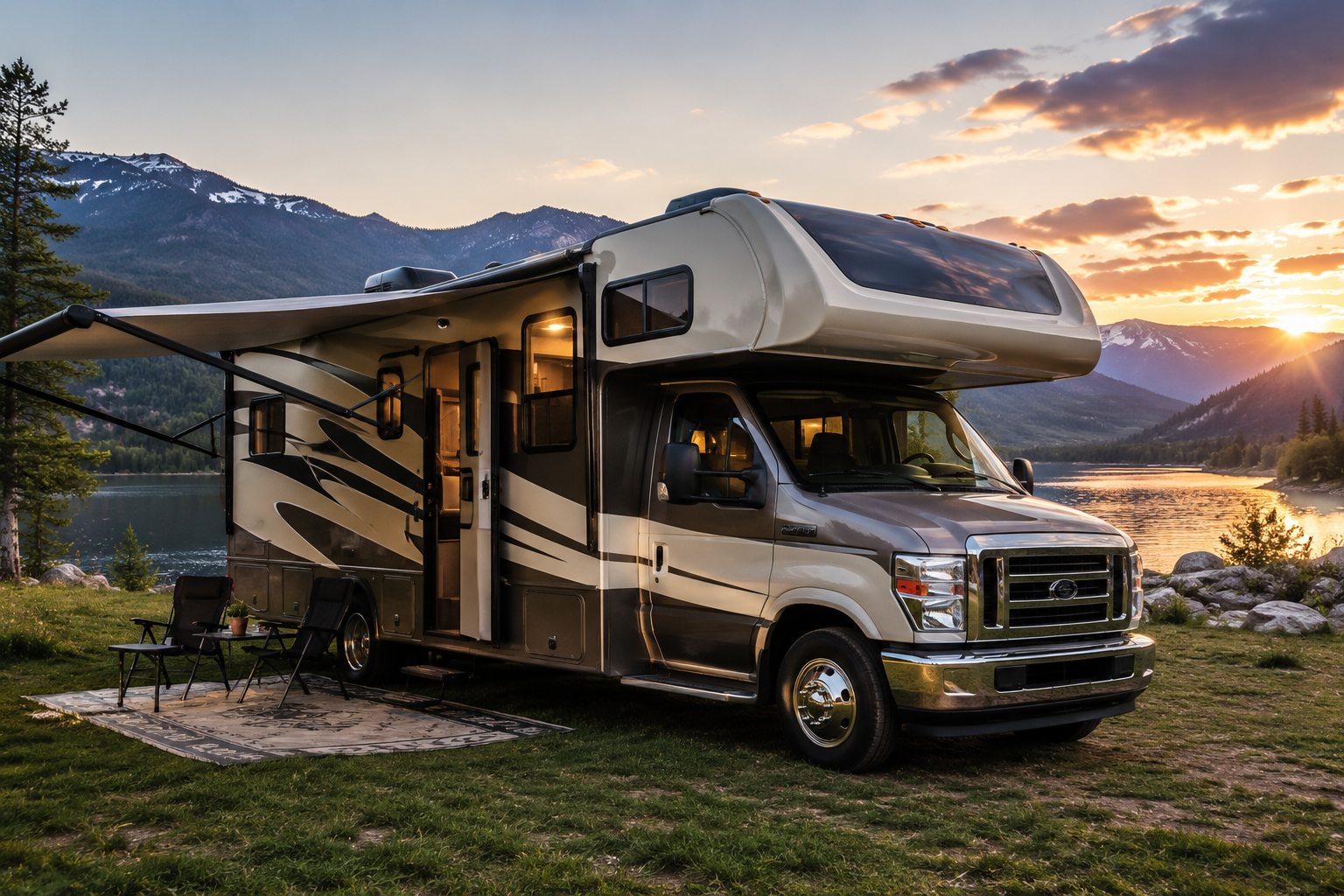
A motor home is a self-propelled recreational vehicle (RV) that includes both a driving area and a fully equipped living space. Unlike travel trailers or fifth wheels that need to be towed, motor homes have their own engine and can be driven like a large vehicle.
Inside a typical motor home, you’ll find many of the comforts of home. Most models include a kitchen, bathroom, sleeping area, dining space, storage cabinets, heating and cooling systems, and entertainment options. Larger models may even feature multiple bedrooms, washing machines, fireplaces, and luxury furniture.
Motor homes come in different sizes to suit different needs. Some are compact enough for couples looking for quick weekend trips, while others are spacious enough for large families or people who travel full-time. The variety of floor plans and amenities means there’s a motor home available for nearly every lifestyle and budget.
Different Types of Motor Homes
Motor homes are generally divided into three primary classes: Class A, Class B, and Class C. Each offers its own unique advantages depending on your travel style and preferences.
Class A motor homes are the largest and most luxurious. Built on heavy-duty chassis, they often resemble buses and provide spacious interiors with premium features. They are ideal for extended trips or full-time living but require more experience to drive due to their size.
Class B motor homes, also known as camper vans, are the smallest option. They are easy to drive, fuel-efficient, and perfect for solo travelers or couples. Although they have limited interior space, they still provide essential amenities like a small kitchen, sleeping area, and compact bathroom.
Class C motor homes fall between Class A and Class B in both size and price. They are easily recognized by the sleeping compartment located above the driver’s cabin. These models offer a great balance of space, affordability, and drivability, making them a popular choice for families and first-time buyers.
Benefits of Owning a Motor Home
One of the biggest advantages of owning a motor home is the freedom to travel whenever you want. You don’t have to rely on hotel availability or airline schedules. If you discover a beautiful destination along the way, you can simply stop and enjoy it.
Another major benefit is comfort. Having your own kitchen allows you to prepare meals whenever you like, helping you save money and eat healthier while traveling. You also have your own bathroom, comfortable bed, and familiar living environment wherever you go.
Motor homes can also be surprisingly economical for frequent travelers. Although the initial purchase may be expensive, you can reduce accommodation costs, restaurant expenses, and transportation fees over time. Families especially benefit because multiple people can travel together comfortably in one vehicle.
Features to Look for in a Motor Home
Before purchasing a motor home, it’s important to identify the features that matter most to you. The right combination of amenities can make every trip more enjoyable and convenient.
The kitchen is one of the most frequently used areas. Look for sufficient counter space, a refrigerator, microwave, stove, sink, and storage cabinets. If you enjoy cooking while traveling, a well-designed kitchen will significantly improve your experience.
Sleeping arrangements should also match your travel needs. Some motor homes feature queen-size beds, bunk beds, convertible sofas, or overhead sleeping compartments. Consider how many people will regularly travel with you and choose accordingly.
Storage is another essential factor. Clothes, camping equipment, cooking supplies, bicycles, and outdoor furniture all require space. Smart storage solutions help keep the interior organized and comfortable throughout your journey.
How to Choose the Right Motor Home
Choosing the right motor home starts with understanding how you plan to use it. Weekend travelers often prefer smaller models because they’re easier to drive and park. Long-term travelers may benefit from larger units with additional living space and premium amenities.
Budget is another important consideration. Besides the purchase price, you should also account for insurance, fuel, maintenance, campground fees, registration, and storage costs. Planning your budget carefully helps prevent unexpected financial surprises.
Think about where you’ll be traveling most often. If you plan to visit national parks or mountain roads, a smaller motor home may offer better maneuverability. For extended highway travel or seasonal living, a larger motor home provides greater comfort and storage.
Essential Maintenance Tips
Regular maintenance helps keep your motor home reliable and safe for years to come. Like any vehicle, it requires routine inspections and preventive care to avoid costly repairs.
Check engine oil, coolant, transmission fluid, brake fluid, and tire pressure before every major trip. Properly maintained mechanical systems improve safety, fuel efficiency, and overall performance.
The roof should also be inspected regularly for cracks or damaged seals. Water leaks are among the most common problems in motor homes and can cause significant interior damage if left untreated.
Keep both the interior and exterior clean. Regular washing protects the paint, while cleaning inside prevents odors, mold, and unnecessary wear. Appliances, plumbing systems, batteries, and electrical components should also be inspected according to the manufacturer’s maintenance schedule.
Motor Home Travel Tips for Beginners
Planning ahead can make your first motor home adventure much more enjoyable. Before leaving, familiarize yourself with the vehicle’s dimensions, controls, and operating systems. Practice driving, reversing, and parking in a large open area to build confidence.
Reserve campgrounds in advance during busy travel seasons. Popular destinations often fill up quickly, especially during holidays and summer vacations. Booking early ensures you have access to the facilities you need.
Pack only the essentials. Every additional item adds weight, which can reduce fuel efficiency and affect driving performance. Organize your belongings efficiently so frequently used items remain easy to access throughout your journey.
Common Mistakes to Avoid
Many first-time motor home owners underestimate the importance of weight limits. Overloading your vehicle can increase tire wear, reduce fuel economy, and compromise safety. Always follow the manufacturer’s recommended weight ratings.
Another common mistake is neglecting regular inspections. Small issues such as loose seals, low tire pressure, or weak batteries can quickly become expensive repairs if ignored for too long.
New owners also sometimes forget to plan their routes carefully. Not every road is suitable for large vehicles. Checking bridge clearances, road restrictions, fuel stops, and campground accessibility before departure can prevent unnecessary stress during your trip.
Is a Motor Home Worth the Investment?
Whether a motor home is worth buying depends largely on your lifestyle and travel habits. If you enjoy frequent road trips, outdoor adventures, and exploring different destinations, owning a motor home can provide tremendous value and unforgettable experiences.
For families, it creates opportunities to spend quality time together while exploring nature, national parks, beaches, and scenic highways. Children often enjoy the adventure of traveling in a moving home, making vacations more memorable.
For retirees and remote workers, a motor home offers the flexibility to travel without sacrificing everyday comforts. Many people even choose full-time motor home living as a way to simplify life while continuously exploring new places.
Conclusion
A motor home offers one of the most flexible and rewarding ways to travel. It combines transportation, accommodation, and personal comfort into one convenient package, allowing you to experience the freedom of the open road without giving up the conveniences of home. Whether you’re interested in weekend escapes, family vacations, or long-term adventures, there’s a motor home designed to suit your needs.
Before making a purchase, take time to research different classes, compare floor plans, evaluate your budget, and consider your travel goals. A well-chosen motor home can provide years of enjoyable travel, memorable experiences, and the freedom to discover destinations at your own pace.
With proper maintenance, thoughtful planning, and responsible driving, a motor home becomes much more than a vehicle—it becomes your home away from home, ready to take you wherever your next adventure leads.
You May Also Read: pent house