


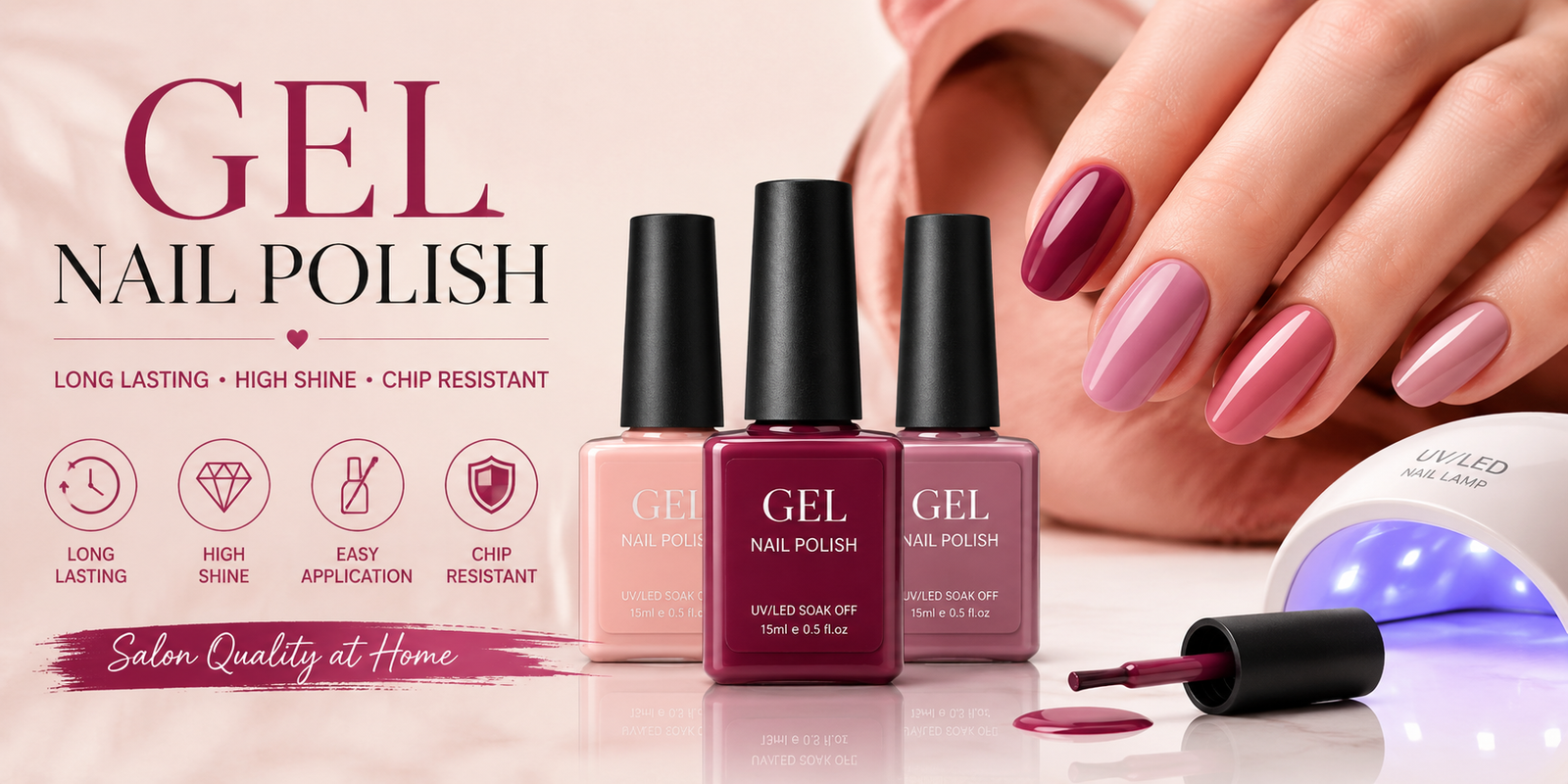
Gel nail polish has transformed the beauty industry by offering a manicure that stays glossy, chip-resistant, and vibrant for weeks. Whether you love doing your nails at home or prefer visiting a salon, understanding how gel nail polish works helps you achieve better results while keeping your natural nails healthy.
Unlike traditional nail polish, gel polish requires curing under a UV or LED lamp to harden. This process creates a durable finish that withstands everyday wear much better than regular polish. Today, gel manicures are available in countless colors, finishes, and formulas, making them suitable for every style and occasion.
If you’ve ever wondered what is gel polish on natural nails, how it compares with traditional polish, or whether it’s safe for regular use, this guide covers everything you need to know. You’ll also learn practical application tips, common mistakes to avoid, and expert advice to help your manicure last longer.
What Is Gel Nail Polish?
Gel nail polish is a specially formulated nail coating that hardens when exposed to ultraviolet (UV) or LED light. Instead of air-drying like traditional polish, it undergoes a chemical reaction called polymerization, creating a tough, glossy finish that resists chips and scratches.
Many people ask, What is gel polish vs nail polish? The biggest difference lies in how each product dries. Traditional nail polish dries naturally through evaporation, while gel polish requires a curing lamp to harden completely. This curing process gives gel polish its impressive durability and long-lasting shine.
Another common question is what is gel-like nail polish. Gel-like nail polish is designed to mimic the glossy appearance of gel polish without requiring a UV or LED lamp. While it offers a similar look, it generally doesn’t last as long as true gel polish.
How Does Gel Nail Polish Work?
Gel polish contains special ingredients called photoinitiators. When exposed to UV or LED light, these ingredients activate and bond together, creating a strong protective layer over the nail.
The basic process includes:
- Preparing the nails
- Applying a base coat
- Curing under a lamp
- Applying two thin color coats
- Curing each layer
- Sealing with a top coat
- Final curing
The result is a smooth, durable manicure that typically lasts two to three weeks.
Types of Gel Nail Polish
Not all gel products are the same. Different formulas are designed for different purposes and skill levels.
Soft Gel Polish
Soft gel is the most common type used for everyday manicures. It provides flexibility, excellent shine, and can be soaked off with acetone.
Best for:
- Natural nails
- Home manicures
- Beginners
Hard Gel
Hard gel creates a much stronger protective layer and cannot simply be soaked off. It usually requires professional filing for removal.
Best for:
- Weak nails
- Added strength
- Professional salon services
Builder Gel
Builder gel is thicker than standard gel polish and is designed to strengthen or slightly extend natural nails.
Ideal for:
- Nail overlays
- Strengthening thin nails
- Creating structured manicures
BIAB (Builder in a Bottle)
Builder in a Bottle combines the convenience of polish with the strength of builder gel. It has become increasingly popular for clients who want healthier-looking natural nails.
Gel Nail Extensions
Many people ask what is gel polish and nail extension. These are two different services.
Gel polish adds color and protection to existing nails, while gel nail extensions increase nail length using forms or tips before applying gel products.
Benefits of Gel Nail Polish
Gel polish offers several advantages over traditional manicures.
Long-Lasting Wear
One of its biggest benefits is durability. Most gel manicures stay beautiful for up to three weeks with proper care.
Brilliant Shine
Unlike regular polish that may become dull after several days, gel polish maintains a glossy finish throughout its wear.
Chip Resistance
Daily activities like typing, washing dishes, and household chores are less likely to damage a properly applied gel manicure.
Fast Drying Time
Since each layer cures instantly under a lamp, there’s no waiting around for polish to dry.
Huge Variety of Colors
From classic nude shades to vibrant neon colors and glitter finishes, gel polish is available in almost every color imaginable.
Gel Polish vs Other Nail Systems
Understanding the differences between nail enhancement options helps you choose the right one for your lifestyle.
| Feature | Gel Polish | Regular Nail Polish | Acrylic Nails | Dip Powder |
| Lasts | 2–3 Weeks | 3–7 Days | 3–4 Weeks | 3–4 Weeks |
| Drying Time | Lamp Cure | Air Dry | Air Cure | Air Cure |
| Shine | Excellent | Moderate | High | High |
| Removal | Acetone Soak | Nail Polish Remover | Filing | Soak & Filing |
| Natural Feel | Excellent | Excellent | Less Flexible | Moderate |
When comparing gel polish vs nail extension, remember that gel polish enhances your existing nails, while extensions add length. If your goal is simply long-lasting color, gel polish is often the better choice.
Is Gel Manicure on Natural Nails Safe?
A common concern is Is gel manicure on natural nails safe.
The answer is generally yes—when applied and removed correctly.
Most nail damage isn’t caused by the gel itself but by improper removal techniques such as peeling or scraping the product off.
Professional nail technicians recommend:
- Proper nail preparation
- Thin application layers
- Correct curing times
- Gentle removal
- Regular cuticle care
Following these steps helps protect your natural nails while enjoying long-lasting manicures.
What You’ll Need Before Applying Gel Nail Polish
Having the right tools makes the application process easier and produces better results.
Essential supplies include:
- Gel base coat
- Gel color polish
- Gel top coat
- UV or LED lamp
- Nail file
- Buffer
- Lint-free wipes
- Nail cleanser or isopropyl alcohol
- Cuticle pusher
- Cuticle oil
Quality tools can make a noticeable difference in both the appearance and longevity of your manicure.
Step-by-Step Guide to Applying Gel Nail Polish
Step 1: Prepare the Nails
Wash your hands thoroughly and remove any old polish. File each nail into your preferred shape and gently buff away surface shine.
Step 2: Care for Your Cuticles
Push cuticles back carefully using a cuticle pusher. Avoid cutting live skin, as this may increase the risk of irritation.
Step 3: Clean the Nail Surface
Use alcohol or nail cleanser to remove dust, oils, and moisture. Clean nails help the gel adhere properly.
Step 4: Apply the Base Coat
Apply a very thin layer of gel base coat. Avoid touching the surrounding skin or cuticles.
Cure the base coat under your UV or LED lamp according to the manufacturer’s recommended time.
Step 5: Apply the Color
Brush on a thin coat of gel color. Thin layers cure more evenly and reduce the chance of bubbling or wrinkling.
Cure the first layer completely before applying a second thin coat.
Step 6: Seal with Top Coat
Apply the gel top coat evenly, making sure to seal the free edge of each nail. This extra step helps prevent premature chipping.
Cure the top coat under the lamp.
Step 7: Remove the Sticky Layer
Some top coats leave a sticky residue after curing. Wipe each nail with alcohol or nail cleanser to reveal a smooth, glossy finish.
Step 8: Finish with Cuticle Oil
Massage cuticle oil around each nail to restore moisture and keep your hands looking healthy and well cared for.
Practical Example
Imagine you’re preparing for a two-week vacation. A properly applied gel manicure can remain shiny and chip-resistant throughout your trip, eliminating the need to pack nail polish for touch-ups. By preparing the nail surface carefully, curing each thin layer fully, and sealing the nail edges, you’ll maximize durability while keeping your natural nails looking polished.
How to Remove Gel Nail Polish Safely
Removing gel nail polish correctly is just as important as applying it. Improper removal is one of the biggest reasons people experience weak, peeling, or damaged nails.
Step 1: File the Top Coat
Use a fine nail file to gently remove the shiny top layer. This allows the acetone to penetrate the gel more effectively.
Step 2: Soak Cotton in Acetone
Place a cotton ball soaked in pure acetone on each nail and wrap it with aluminum foil or use nail clips.
Step 3: Wait Patiently
Leave the wraps on for 10–15 minutes. During this time, the gel polish softens and begins to lift from the nail.
Step 4: Remove the Gel Gently
Use a wooden cuticle stick or cuticle pusher to gently slide off the softened gel. Never peel or force it off, as this can remove layers of your natural nail.
Step 5: Moisturize
Wash your hands and apply cuticle oil followed by a nourishing hand cream to restore hydration.
Common Gel Nail Polish Mistakes
Even high-quality products can produce disappointing results if they’re used incorrectly. Avoid these common mistakes to enjoy a flawless manicure.
Applying Thick Coats
Thick layers don’t cure evenly and often wrinkle, bubble, or peel.
Skipping Nail Preparation
Natural oils, dust, and moisture prevent proper adhesion. Always clean and prep your nails before applying gel.
Flooding the Cuticles
Gel that touches the skin is more likely to lift, causing the manicure to peel earlier than expected.
Incorrect Curing Time
Under-curing leaves the polish soft, while over-curing may reduce flexibility. Follow the curing times recommended by your lamp and gel brand.
Peeling Off Gel Polish
Peeling removes layers of the natural nail and can lead to long-term damage.
Troubleshooting Common Problems
Why Is My Gel Polish Peeling?
Possible causes include poor nail preparation, oily nail plates, thick coats, or failing to seal the free edge.
Why Does It Bubble?
Bubbles usually appear when the bottle is shaken vigorously or when coats are applied too thickly.
Why Is It Wrinkling?
Wrinkling occurs when the outer layer cures before the inner layer. Apply thinner coats to avoid this issue.
Why Is It Sticky After Curing?
Many gel top coats leave an inhibition layer that should be removed with alcohol or nail cleanser. Some no-wipe top coats eliminate this step.
Why Doesn’t It Cure Properly?
A weak lamp, expired bulbs, incorrect curing time, or incompatible products may prevent complete curing.
How to Make Gel Nail Polish Last Longer
A few simple habits can extend the life of your manicure.
- Prepare nails thoroughly before application.
- Apply thin, even coats.
- Cure every layer completely.
- Seal the free edge of each nail.
- Wear gloves while cleaning or washing dishes.
- Apply cuticle oil daily.
- Avoid using your nails as tools.
- Store gel polish away from direct sunlight and heat.
With proper care, many gel manicures remain beautiful for two to three weeks.
Is Gel Polish Safe?
Many people ask, Do gel nails cause cancer?
Current research does not show that occasional gel manicures directly cause cancer. However, UV lamps emit ultraviolet light, which contributes to cumulative UV exposure over time. The overall exposure during a manicure is generally low, but if you receive frequent gel manicures, it’s sensible to take simple precautions.
You can reduce potential risks by:
- Applying broad-spectrum sunscreen to your hands about 20 minutes before curing.
- Wearing UV-protective manicure gloves with the fingertips exposed.
- Using LED lamps when compatible with your gel system, as they typically cure more quickly.
- Following the manufacturer’s recommended curing times instead of extending exposure unnecessarily.
People with known gel allergies or sensitive skin should consult a dermatologist before using gel products. Choosing high-quality formulas and avoiding skin contact during application can also reduce the risk of allergic reactions.
Gel Polish Pedicure
Another popular treatment is what is gel polish pedicure.
A gel polish pedicure follows the same basic process as a gel manicure but is performed on the toenails. Because toenails grow more slowly and experience less daily impact than fingernails, gel polish on the feet often lasts four to six weeks.
Benefits include:
- Long-lasting shine
- Chip-resistant finish
- Beautiful vacation-ready toes
- Minimal maintenance
- Wide range of colors
How to Choose the Best Gel Nail Polish
Not every gel polish offers the same performance. Consider these factors before buying.
- Highly pigmented colors
- Smooth, self-leveling formula
- Long wear time
- HEMA-free options if you have sensitivities
- Wide shade selection
- Compatible with your UV or LED lamp
- Trusted brand reputation
- Easy soak-off removal
- Cruelty-free or vegan formulas if these are important to you
Investing in quality products often leads to better application, longer wear, and healthier nails.
Nail Care Tips After a Gel Manicure
Healthy nails are the foundation of beautiful manicures. After removing gel polish:
- Moisturize your cuticles every day.
- Use nourishing cuticle oil.
- Avoid excessive buffing.
- Give your nails occasional breaks if they become dry or brittle.
- Eat a balanced diet rich in protein, vitamins, and minerals to support nail health.
- Wear gloves during household cleaning to protect both your manicure and your skin.
These habits help maintain strong natural nails while enjoying regular gel manicures.
Conclusion
Gel nail polish is an excellent choice for anyone who wants a durable, glossy manicure that can last for weeks with minimal maintenance. From understanding what is gel polish vs nail polish to learning the difference between gel polish vs nail extension, knowing the proper techniques for application, curing, removal, and aftercare makes a significant difference in both appearance and nail health.
When applied correctly and removed gently, gel polish can be a safe, attractive option for natural nails. By choosing quality products, following expert recommendations, and maintaining a consistent nail care routine, you can enjoy beautiful manicures while keeping your nails strong and healthy for years to come.
Frequently Asked Questions
1. How long does gel nail polish last?
Most gel manicures last between two and three weeks with proper application and care.
2. Does gel nail polish damage natural nails?
Gel polish itself does not usually damage nails. Most damage results from improper removal or excessive filing.
3. Can I remove gel polish without acetone?
Some peel-off gel systems are designed for easy removal, but traditional gel polish generally requires acetone for safe removal.
4. Do I need a UV or LED lamp?
Yes. True gel nail polish must be cured under a compatible UV or LED lamp to harden properly.
5. Can I apply gel polish over natural nails?
Absolutely. Many people prefer gel polish on natural nails because it provides long-lasting color while preserving their natural nail length.
6. How often should I apply cuticle oil?
Applying cuticle oil once or twice a day helps keep your nails and surrounding skin hydrated and healthy.
7. What’s the difference between gel polish and nail extensions?
Gel polish adds color and protection to existing nails, while nail extensions increase nail length using forms or tips before finishing with gel products.
You May Also Read: HDMI cable