


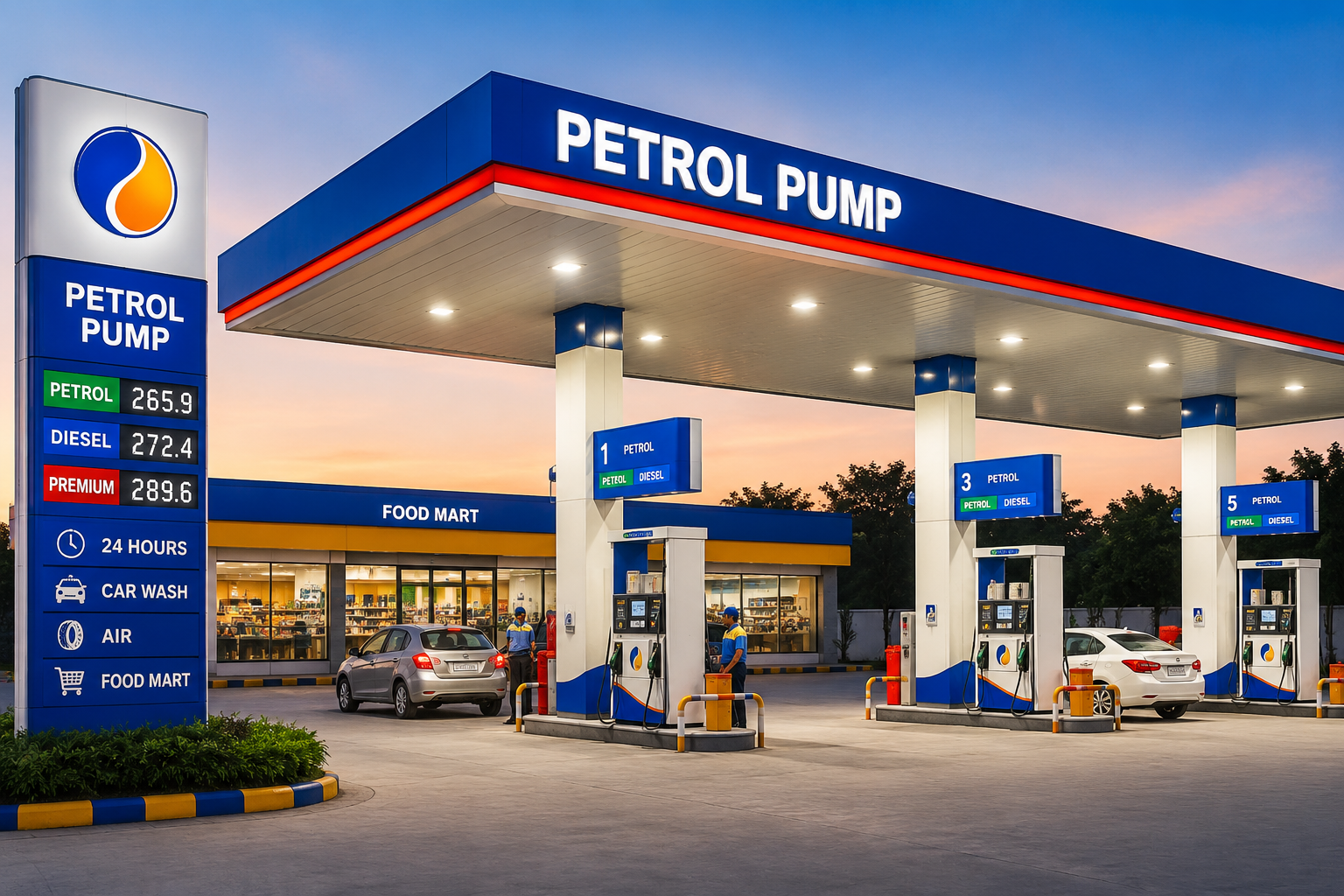
A petrol pump is one of the most essential facilities in modern transportation. Whether you’re riding a motorcycle, driving a car, operating a truck, or managing a commercial fleet, a petrol pump ensures your vehicle has the fuel needed to keep moving. Although most people visit a petrol pump regularly, few stop to think about how these fuel stations operate or the many services they provide beyond simply filling a fuel tank.
Over the years, petrol pumps have evolved significantly. What started as simple fuel dispensing stations has transformed into modern service centers equipped with convenience stores, air pumps, tire pressure machines, car wash facilities, digital payment options, and even electric vehicle charging stations in many locations. This evolution reflects the changing needs of drivers and advancements in automotive technology.
In this article, we’ll take a closer look at petrol pumps, how they work, the different types of fuel available, safety practices, maintenance tips, environmental considerations, and what the future holds for fuel stations. By the end, you’ll have a comprehensive understanding of why petrol pumps remain a vital part of everyday life.
What Is a Petrol Pump?
A petrol pump, also known as a fuel station or gas station in some countries, is a facility designed to supply fuel to motor vehicles. The most common fuels available include petrol (gasoline), diesel, and in some areas, compressed natural gas (CNG) or liquefied petroleum gas (LPG). Modern stations may also include charging points for electric vehicles.
The primary purpose of a petrol pump is to store fuel safely in underground tanks and dispense it accurately through specialized pumps. These pumps measure the exact quantity of fuel delivered, ensuring customers receive the amount they pay for. Advanced technology now allows many pumps to monitor fuel levels, detect leaks, and process digital payments with ease.
Apart from fuel, many petrol pumps offer additional services that improve convenience for motorists. Drivers can often purchase snacks, beverages, engine oil, windshield washer fluid, and other vehicle essentials while refueling. Some locations even provide restrooms, ATMs, tire repair services, and quick vehicle inspections.
How Does a Petrol Pump Work?
Although filling a fuel tank appears simple, the process involves several carefully engineered systems working together. Fuel is stored in secure underground tanks that are designed to minimize evaporation and protect the environment. When a customer activates the pump, fuel is drawn from these tanks through underground pipes.
Inside the fuel dispenser, precision meters calculate the exact volume of fuel flowing into the vehicle. These measuring devices are regularly calibrated to maintain accuracy and comply with government regulations. The displayed amount on the screen reflects the precise quantity delivered.
Modern petrol pumps also include automatic shut-off mechanisms. When a vehicle’s fuel tank becomes full, the nozzle detects the change in airflow and automatically stops dispensing fuel. This feature helps prevent spills, reduces waste, and enhances overall safety.
Different Types of Fuel Available
Petrol remains the most commonly used fuel for passenger cars, motorcycles, and small vehicles. Many fuel stations offer regular and premium petrol, with premium varieties typically containing higher octane ratings that benefit certain high-performance engines.
Diesel is widely used in commercial vehicles, buses, trucks, agricultural equipment, and some passenger cars. Diesel engines are generally known for producing strong torque and offering better fuel efficiency, making them suitable for long-distance travel and heavy-duty applications.
Alternative fuels have become increasingly common in recent years. CNG and LPG provide cleaner-burning alternatives in many regions, while hydrogen fueling stations are slowly emerging in selected markets. Additionally, numerous modern petrol pumps are beginning to install electric vehicle charging stations, reflecting the ongoing shift toward sustainable transportation.
Services Offered at Modern Petrol Pumps
Today’s petrol pumps provide much more than fuel. Convenience stores located within many stations allow travelers to purchase refreshments, groceries, travel accessories, and everyday essentials without making an extra stop.
Vehicle maintenance services are another valuable feature. Drivers can check tire pressure, top up engine oil, refill coolant, clean windshields, and sometimes even receive basic mechanical assistance. Some stations also offer automatic or manual car wash facilities that help keep vehicles clean during long journeys.
Digital technology has further improved customer convenience. Many petrol pumps now accept credit cards, debit cards, mobile wallets, contactless payments, and loyalty programs. These features make transactions quicker while rewarding frequent customers with discounts or promotional offers.
Safety Measures at Petrol Pumps
Safety is a top priority at every petrol pump because fuel is highly flammable. One of the most important rules is to switch off the vehicle’s engine before refueling. This simple action significantly reduces the risk of accidental ignition.
Using mobile phones while actively handling fuel is discouraged at many stations, even though the actual risk of ignition is considered low. More importantly, customers should avoid smoking, lighting matches, or bringing open flames anywhere near fuel dispensing areas.
Petrol pumps are equipped with emergency shut-off systems, fire extinguishers, spill containment equipment, and trained staff who can respond quickly if an emergency occurs. Routine inspections and maintenance ensure that pumps, storage tanks, and fuel lines continue operating safely.
Environmental Impact and Sustainability
Petrol pumps play an important role in environmental protection by following strict regulations for fuel storage and handling. Underground storage tanks are built with protective layers and monitoring systems that help detect leaks before they become serious environmental problems.
Many fuel companies have introduced vapor recovery systems that capture fuel vapors released during refueling. Instead of allowing these vapors to escape into the atmosphere, they are redirected back into storage systems, helping reduce air pollution.
The future of petrol pumps includes greater emphasis on sustainability. Solar panels, energy-efficient lighting, rainwater harvesting, and electric vehicle charging stations are becoming more common. These improvements help reduce environmental impact while supporting the transition toward cleaner transportation.
Tips for Choosing a Reliable Petrol Pump
Selecting a trustworthy petrol pump can contribute to better vehicle performance and peace of mind. Reputable stations maintain high standards for fuel quality, equipment maintenance, and customer service. Choosing well-known fuel providers can reduce the likelihood of contaminated fuel.
Pay attention to cleanliness and organization. A well-maintained station often reflects good operational practices. Pumps should appear clean, safety signs should be visible, and staff should be professional and willing to assist customers when needed.
If possible, use petrol pumps that experience steady customer traffic. Higher turnover generally means fuel is replenished more frequently, helping maintain freshness and reducing the chance of fuel degradation during long storage periods.
Common Mistakes Drivers Should Avoid
Many drivers accidentally overfill their fuel tanks by continuing to pump after the automatic shut-off activates. Overfilling can damage the vehicle’s evaporative emissions system and may lead to fuel spills that waste money and create safety hazards.
Ignoring warning lights or waiting until the fuel tank is almost empty is another common mistake. Consistently driving with very little fuel may increase wear on the fuel pump and allow sediment from the bottom of the tank to circulate through the fuel system.
Some vehicle owners also forget to tighten the fuel cap properly after refueling. A loose fuel cap can trigger dashboard warning lights, reduce fuel efficiency, and allow fuel vapors to escape into the atmosphere.
The Future of Petrol Pumps
The automotive industry is changing rapidly, and petrol pumps are adapting accordingly. While traditional fuels will continue serving millions of vehicles for years to come, stations are increasingly expanding their services to meet evolving transportation needs.
Electric vehicle charging infrastructure is becoming a major addition at many fuel stations. Fast chargers allow drivers to recharge their vehicles during short breaks, making petrol pumps important energy hubs rather than solely fuel stations.
Digital innovation will continue shaping the customer experience. Smart payment systems, mobile apps, AI-powered inventory management, and automated service technologies will make visits faster, safer, and more convenient than ever before.
Conclusion
Petrol pumps are far more than places where vehicles are refueled. They serve as essential transportation hubs that support daily commuting, business operations, long-distance travel, and economic activity around the world. Through advanced technology, strict safety standards, and expanding customer services, modern petrol pumps continue to meet the changing needs of drivers.
Understanding how petrol pumps operate helps consumers make informed decisions about fuel quality, vehicle maintenance, and safe refueling practices. Whether you’re filling a motorcycle for a short trip or preparing a family car for a long journey, choosing a reliable petrol pump contributes to better performance and greater peace of mind.
As transportation continues to evolve, petrol pumps will remain an important part of the road network while embracing cleaner energy solutions and smarter technologies. Their ability to adapt ensures they will continue serving motorists efficiently for many years to come.
You May Also Read: jaguar vanden plas