
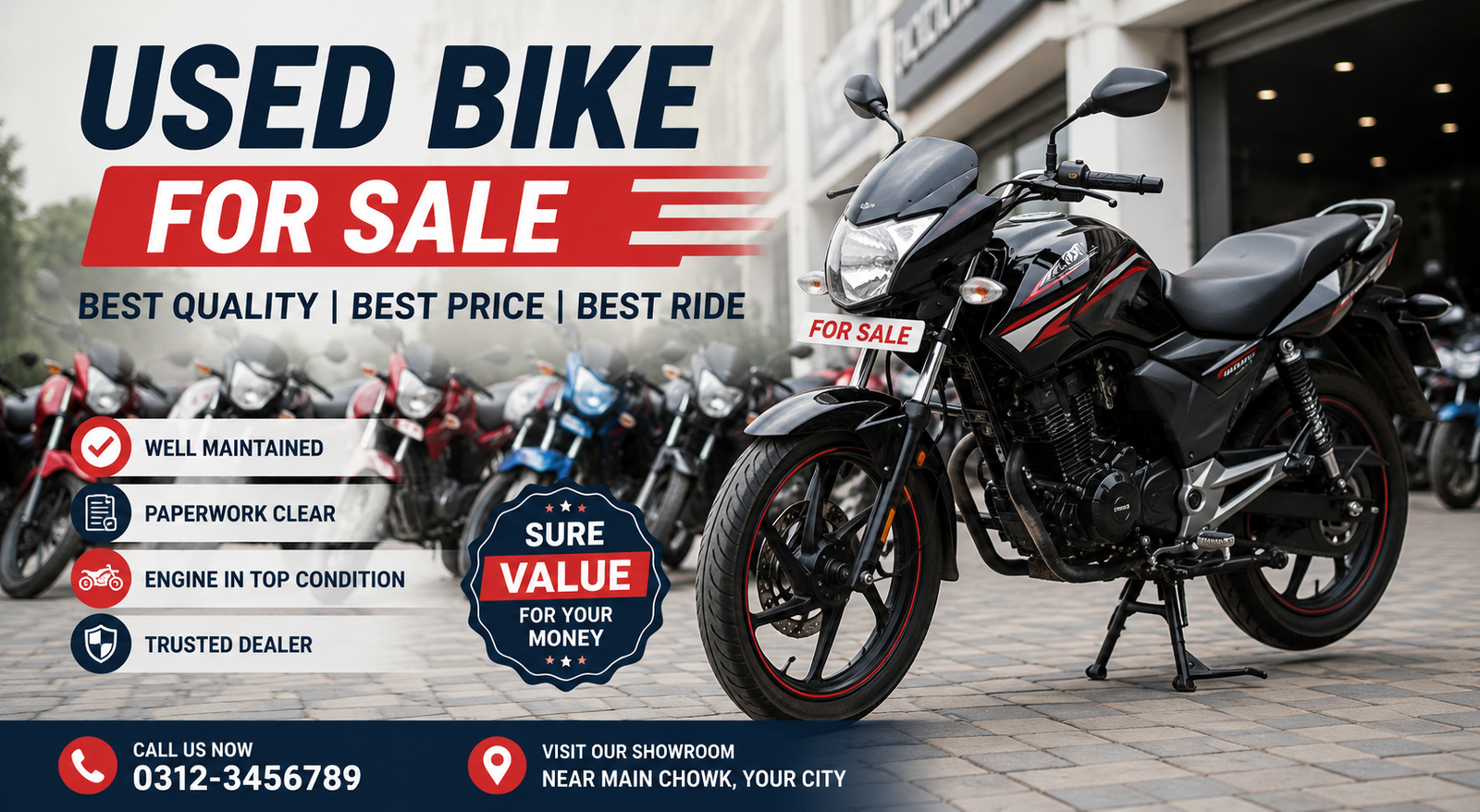
Buying a used bike for sale is one of the smartest ways to save money while still getting a reliable and enjoyable ride. Whether you’re looking for a motorcycle for daily commuting, weekend adventures, or long-distance touring, the used market offers countless options that fit different budgets and riding styles. Instead of paying the premium price of a brand-new model, many buyers choose pre-owned bikes because they often provide excellent value with minimal compromise.
The key to making a successful purchase is knowing what to look for before handing over your money. A used bike can be a fantastic investment if it has been well maintained, but it can quickly become expensive if hidden problems are overlooked. That’s why taking the time to inspect the bike, verify its history, and understand its condition is so important.
In this guide, you’ll learn everything you need to know about buying a used bike for sale. From choosing the right motorcycle to inspecting its condition and negotiating a fair price, this article covers the essential steps that will help you buy with confidence.
Why Buying a Used Bike Makes Sense
One of the biggest advantages of purchasing a used bike is the amount of money you can save. New motorcycles lose a significant portion of their value during the first few years. By purchasing a bike that’s already gone through this depreciation, you can often get a high-quality motorcycle for thousands less than its original price.
Insurance costs are another reason many riders prefer used motorcycles. Since the market value of a used bike is generally lower than a new one, insurance premiums are often more affordable. This makes used bikes especially attractive for beginner riders who want to keep their overall ownership costs low.
Another benefit is the wide variety available in the used market. You’ll find everything from sport bikes and cruisers to adventure motorcycles, touring bikes, and dirt bikes. Some older models are even considered classics and have unique styling or features that are no longer available on new motorcycles.
Things to Consider Before Buying
Before you begin searching for a used bike for sale, it’s important to define your needs. Think about how you’ll primarily use the motorcycle. Will it be your daily commuter, a weekend fun machine, or something for long road trips? Your intended use will help narrow your options.
Budget planning should include more than just the purchase price. Remember to account for registration fees, insurance, riding gear, routine maintenance, fuel, and any repairs the bike might need after purchase. Setting a realistic total budget prevents unpleasant surprises later.
Experience level also matters. New riders are usually better off choosing motorcycles with moderate engine sizes that are easier to control. Experienced riders may be comfortable with larger, more powerful bikes, but it’s still important to prioritize comfort and reliability over raw performance.
Popular Types of Used Bikes
Sport bikes are popular among riders who enjoy speed, sharp handling, and aggressive styling. They perform exceptionally well on paved roads and are designed for performance-oriented riding. Used sport bikes often provide excellent value because many owners maintain them carefully.
Cruisers are known for their comfortable seating position and relaxed riding experience. They are ideal for city cruising and highway rides, making them a favorite among riders who enjoy comfort over aggressive performance. Many used cruisers have impressive longevity when maintained properly.
Adventure bikes continue to grow in popularity because they can handle both paved roads and light off-road conditions. Touring motorcycles are perfect for long-distance travel, while dual-sport bikes offer versatility for riders who enjoy both street and trail riding. Understanding these categories helps buyers choose the motorcycle that best matches their lifestyle.
How to Inspect a Used Bike
A thorough inspection is one of the most important steps before buying any used bike. Start by examining the motorcycle’s overall appearance. Small scratches are normal, but major dents, cracked fairings, or signs of poor repairs may indicate previous accidents or neglect.
Next, inspect the tires, brakes, suspension, and chain. Worn tires, rusty chains, leaking forks, or thin brake pads can add significant repair costs shortly after purchase. Look underneath the bike for oil leaks and check the engine for any unusual signs of wear.
Don’t forget to start the engine if possible. Listen carefully for knocking sounds, excessive smoke, rough idling, or unusual vibrations. A healthy motorcycle should start relatively easily, idle smoothly, and respond consistently to throttle input. Taking your time during the inspection can save you from expensive repairs later.
Questions to Ask the Seller
Asking the right questions can reveal valuable information about the bike’s condition. Start by asking why the owner is selling it. While there are many honest reasons for selling, vague or inconsistent answers may deserve closer attention.
Ask about maintenance records and service history. A seller who has kept receipts and maintenance documentation often indicates responsible ownership. Regular oil changes, chain maintenance, brake servicing, and scheduled inspections show that the motorcycle has likely been cared for properly.
It’s also important to ask whether the bike has ever been involved in an accident. Minor cosmetic repairs are common, but significant structural damage could affect safety and future reliability. Honest sellers usually provide clear explanations and supporting documentation when available.
Importance of Taking a Test Ride
Whenever possible, take the motorcycle for a test ride before making a purchase. Riding the bike provides valuable information that cannot be discovered through a visual inspection alone. You’ll quickly notice whether the engine performs smoothly, the clutch engages properly, and the brakes function effectively.
Pay attention to how the motorcycle handles during acceleration, braking, and cornering. The steering should feel stable without unusual vibrations or pulling to one side. Any strange noises, hesitation, or instability deserve further investigation before proceeding with the purchase.
During the ride, make sure the transmission shifts smoothly through every gear. Difficult shifting or slipping gears may indicate transmission problems that can be expensive to repair. Even a short test ride can reveal issues that might otherwise remain hidden.
Checking Documentation
Paperwork is just as important as the motorcycle itself. Verify that the title is legitimate and matches the vehicle identification number on the bike. Any discrepancy should be investigated before money changes hands.
Ask whether there are outstanding loans or financial obligations tied to the motorcycle. Purchasing a bike with unresolved ownership issues can create unnecessary legal complications later. Always ensure the seller has the legal right to transfer ownership.
Service records, owner’s manuals, spare keys, and maintenance receipts add value to the purchase. These documents demonstrate responsible ownership and provide useful information for future maintenance schedules.
Negotiating the Best Price
Negotiation is a normal part of buying a used bike for sale. Before meeting the seller, research similar motorcycles with comparable mileage, age, and condition. Having market knowledge gives you confidence during price discussions.
Point out any repairs or maintenance that the motorcycle will require soon. Worn tires, aging batteries, or chain replacements are legitimate reasons to negotiate a lower price. However, remain respectful and realistic throughout the conversation.
Being patient often results in a better deal. If the seller refuses to negotiate and the price seems unreasonable, don’t hesitate to walk away. The used motorcycle market is large, and another suitable bike will likely become available.
Common Mistakes Buyers Should Avoid
One common mistake is rushing into a purchase because the motorcycle looks attractive. Appearance alone doesn’t determine mechanical condition. Always inspect the bike thoroughly and verify its history before making a commitment.
Another mistake is ignoring maintenance costs. Even if the purchase price seems affordable, replacing tires, brakes, chains, sprockets, or suspension components can significantly increase your total investment. Planning for these expenses prevents financial surprises.
Many buyers also skip professional inspections to save money. If you’re uncertain about a motorcycle’s condition, paying a qualified mechanic for a pre-purchase inspection is often one of the smartest investments you can make. It may prevent thousands of dollars in future repairs.
Maintaining Your Used Bike After Purchase
Buying the motorcycle is only the beginning. Proper maintenance ensures your used bike remains reliable for years. Start by changing the engine oil, checking all fluid levels, and replacing any worn filters if maintenance records are incomplete.
Inspect the tires regularly for wear and maintain proper air pressure. Lubricating and adjusting the chain according to the manufacturer’s recommendations improves performance and extends its lifespan. Routine cleaning also helps identify small issues before they become major repairs.
Following the recommended maintenance schedule keeps the motorcycle running efficiently and safely. Regular servicing not only improves reliability but also helps preserve the bike’s resale value if you decide to sell it in the future.
Conclusion
Finding the right used bike for sale doesn’t have to be difficult when you approach the process with patience and preparation. Understanding your riding needs, setting a realistic budget, carefully inspecting the motorcycle, and verifying its documentation all contribute to making a smart purchase.
A well-maintained used motorcycle can provide years of dependable performance while costing significantly less than buying new. With countless options available in today’s market, buyers have the opportunity to find bikes that perfectly match their preferences without exceeding their budgets.
By following the tips in this guide, you’ll be better prepared to identify quality motorcycles, avoid costly mistakes, and negotiate confidently. Whether you’re buying your first motorcycle or adding another bike to your collection, taking a careful and informed approach will help ensure your investment delivers both value and riding enjoyment for many miles ahead.
You May Also Read: petrol pump